News
How Display Homes Quietly Hijack Your Judgement
03 Aug
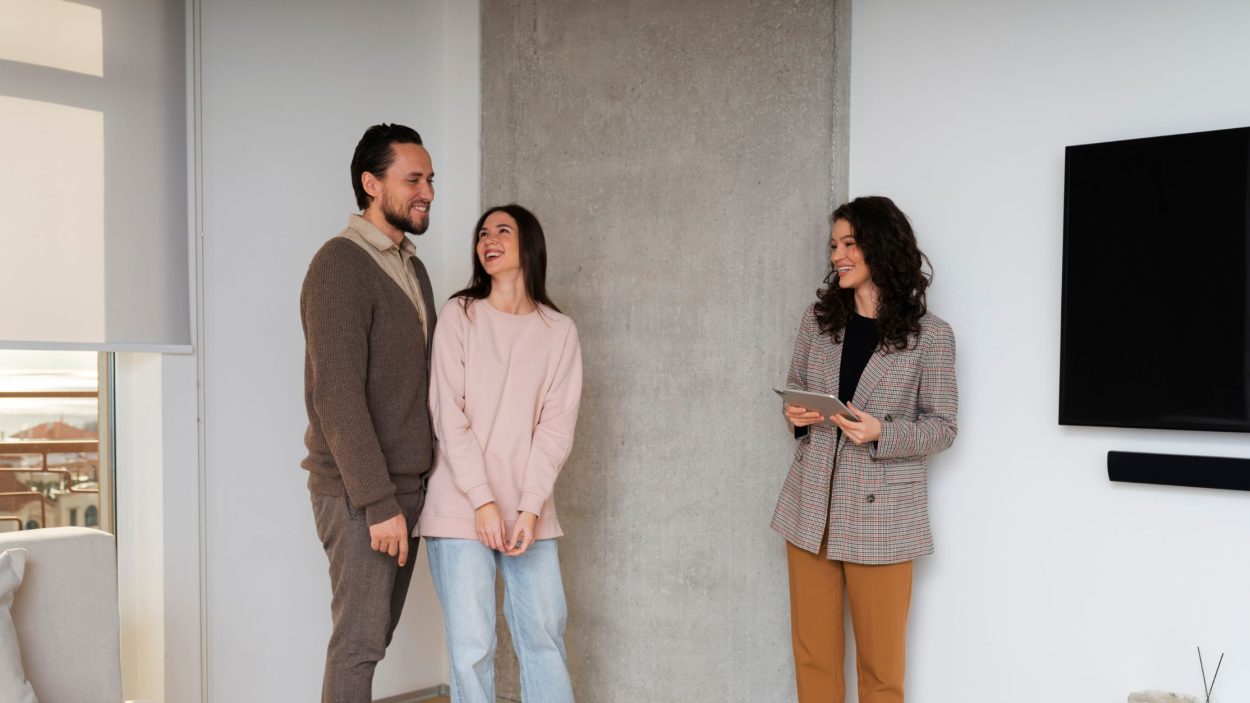
Most people don’t realise it, but the moment a display home starts to feel right is when the real risk begins. Not because they’ve made a decision – but because they haven’t.
Have you ever walked through a display home and felt completely at ease almost straight away?
You’re relaxed. You like the layout. You can picture:
- Where the couch would go
- Where the kids would sit
- And how you’d use the kitchen on a normal day.
Before long, you’re not really inspecting the home anymore – you’re imagining your life in it.
I see this all the time. And on the surface, it doesn’t look like a problem. It feels positive. Reassuring, even. People often walk out thinking, “That felt right.”
That’s the moment their relationship with the build starts to change.
Nothing dramatic happens. No decision is made. No red flags appear. People don’t suddenly say, “That’s it, we’re building this house.” They just keep moving forward with a slightly different mindset than they had when they walked in.
I call this the Display Home Drift. And once it begins, it tends to follow a predictable path.
Drift 1: You Stop Standing Back
This is the first thing I notice.
Early on, people keep a bit of distance. They walk a room, pause, look around, and think about whether it works. They’re still standing outside the decision.
Once comfort sets in, that distance disappears. People don’t stop to assess in the same way. They move through the home more freely. They lean into the space instead of stepping back from it.
It’s subtle, but it matters. Because the moment you stop standing back, you also stop questioning what you’re seeing. You’re not weighing it up anymore – you’re taking it in as a whole.
And from there, everything else starts to feel easier than it should.
Drift 2: The Price Starts To Feel Less Important Than The Feeling
Once you stop standing back, this is usually what follows.
People ask, “How much can I build this home for?” while they’re standing in a display. And what they’re given is a starting price – a base figure. What they’re not told is that the home they’re actually walking through, with all the finishes, fixtures, and details they like, can be hundreds of thousands of dollars more.
What they’re seeing usually includes things like:
- Upgraded finishes
- Premium fixtures
- A version of the home that isn’t reflected in the base price.
But at that point, the number doesn’t really register. The feeling does.
You like the space. You like the way it looks. You like how it makes you feel. And without meaning to, that experience starts to outweigh the price attached to it. The cost becomes something you assume will be worked through later, rather than something you stop and test against what you’re seeing right now.
People end up emotionally connected to a home before they fully understand what it actually costs to build it.
Drift 3: The Decision Begins To Feel Made – Even Though It Isn’t
By this point, nothing has been signed. No contracts. No final plans.
But mentally, something has shifted.
I’ll often speak with people who say, “We’ve already picked a house we like,” or “We’ve more or less decided on that design.” What they really mean is that they’ve spent enough time in a space (or with an idea) that it now feels familiar. Comfortable and safe.
That familiarity can be misleading. It creates the sense that a decision has already been made, even though some important details still haven’t been resolved:
- Pricing hasn’t been finalised
- Inclusions haven’t been locked in
- And the home hasn’t been tested properly against the way they actually live.
Once that emotional commitment forms, slowing things down becomes much harder. People don’t want to reopen questions that might unsettle a decision that already feels right. Instead, momentum starts doing the thinking for them.
Drift 4: The Questions That Matter Get Pushed To Later
Here’s where I see things unravel.
People don’t stop asking questions. They stop asking the hard ones. The ones that slow things down. The ones that might change the direction they’re heading.
The questions that get parked are usually things like:
- What’s actually included here?
- What isn’t?
- Does the price I’ve been given really reflect the home I’m standing in?
Those questions don’t disappear. They’re left for later, when there’s more time or when things feel more settled.
The problem is, later often comes after momentum has already built. Once people feel committed, pulling everything apart and taking a proper look becomes much harder. Those questions end up being answered further down the track, when changes cost more, and disappointment hits harder.
Drift 5: You Start Accommodating Instead Of Reassessing
This is usually when people come and talk to me.
By this stage, the excitement has worn off a bit. Selections are being finalised. Inclusions are being clarified. Pricing is becoming more detailed. And as those details come into focus, people start to see that the home they thought they were getting and the home they’re actually building are two different things.
The gap usually shows up as:
- Higher costs than expected
- Missing inclusions
- A home that no longer fits the budget the way they assumed.
By that point, momentum is already in play, and people start adjusting around it rather than stepping back.
That’s why disappointment rarely shows up in the display home itself. It shows up later, as small adjustments and compromises add up, and the gap between expectation and reality becomes harder to ignore.
That drift is why people often start feeling uneasy during their build. Not because they made bad choices, but because things began moving before everything was properly understood.
And once momentum is in play, winding things back is hard.
Why We Don’t Have a Display Home
Understanding the Display Home Drift also explains why I’ve stepped away from having a display home in my own business.
There’s nothing wrong with display homes. They do exactly what they’re designed to do – help people feel comfortable in a space. The problem is that comfort can arrive well before clarity. And for custom home builds that are tailored specifically to you, that order matters.
When you’re building a home that is really about you and your family, early assumptions carry a lot of weight. If momentum builds before the right questions are asked, people end up making adjustments later instead of decisions earlier. And that’s where stress, disappointment, and cost creep tend to show up.
I’d rather slow the process down at the start and focus on the conversations that matter:
- How the home actually needs to work
- What’s realistically achievable on the site
- What it will genuinely cost to build.
Not as flashy, I know, but it leads to fewer surprises, better decisions, and homes that support people properly over the long term.
If You’re Planning A Complex Build, You Can’t Afford To Skip This Next Step
If you recognised yourself anywhere in the Display Home Drift, having something practical to refer to early can make a real difference.
I’ve put together a free resource that covers the things people often only realise once they’re already well into the process.
It’s designed to help you ask the right questions earlier, understand what really drives cost and complexity, and make decisions with clarity rather than momentum.
If you want to feel confident that you’re setting your home up to support your life long-term, it’s a smart place to start.
Planning a custom home in Townsville? Contact us or call Rob Rule on 07 4778 2074 to get the right questions asked early.
Frequently Asked Questions
What is the “Display Home Drift”?
The Display Home Drift is the gradual shift Reef Coast Constructions sees when someone walks through a display home, feels comfortable, and slowly stops assessing it objectively. No decision is formally made, but emotional commitment builds, the hard questions get postponed, and momentum starts driving choices before pricing, inclusions, and site realities are properly understood.
Why do display homes make it hard to judge a build objectively?
Display homes are designed to help you feel comfortable, and that comfort often arrives before clarity. Once you picture your life in the space, you stop standing back and questioning what you are seeing. The feeling starts to outweigh the price and the practical details, so the home feels right before you have tested whether it actually suits how you live and what it truly costs.
Is a display home’s advertised price what I will actually pay?
Usually not. The price quoted in a display is typically a base figure, while the home you walk through often includes upgraded finishes and premium fixtures that can add hundreds of thousands of dollars. In Queensland, the QBCC advises confirming exactly what is and isn’t included before you commit, so always test the advertised price against the actual specification.
Why doesn’t Reef Coast Constructions have a display home?
Rob Rule stepped away from display homes because comfort can arrive before clarity, and custom home builds are tailored specifically to you. Reef Coast prefers to slow the process down at the start and focus on how the home needs to work, what is achievable on your site, and what it will genuinely cost, which leads to fewer surprises and better decisions.
How do I avoid getting swept up by a display home?
Keep standing back and asking the hard questions early: what is included, what isn’t, and whether the quoted price reflects the home you actually want. Lock in pricing and inclusions before you feel committed. Reef Coast Constructions, a custom home builder in Townsville, North Queensland, helps clients test these details early rather than accommodating around momentum later.

5 Costly Mistakes
That Derail Two-Storey, Sloping, and Acreage Homes
(And How to Avoid Them Before You Start)
If you’re planning a complex custom home, don’t move forward until you know the hidden traps that cost families thousands - and how to safeguard your budget, your timeline, and your peace of mind.
Recent News
-
Before You Sign a Builder Contract, Ask These 4 Questions (Or Risk a Two-Year Delay on a Home That Should Take Eight Months)
-
Five Years of Regret That’s the Cost of Building a Home for “Right Now”
-
The #1 Mistake That Turns Townsville Homes Into Hot, Unliveable Money Pits (And the Local-Only Building Secret That Prevents It)
-
The Dirty Secret Behind ‘Free Building Quotes’ – And Why They Can Cost You $100,000